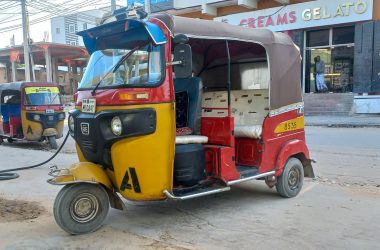
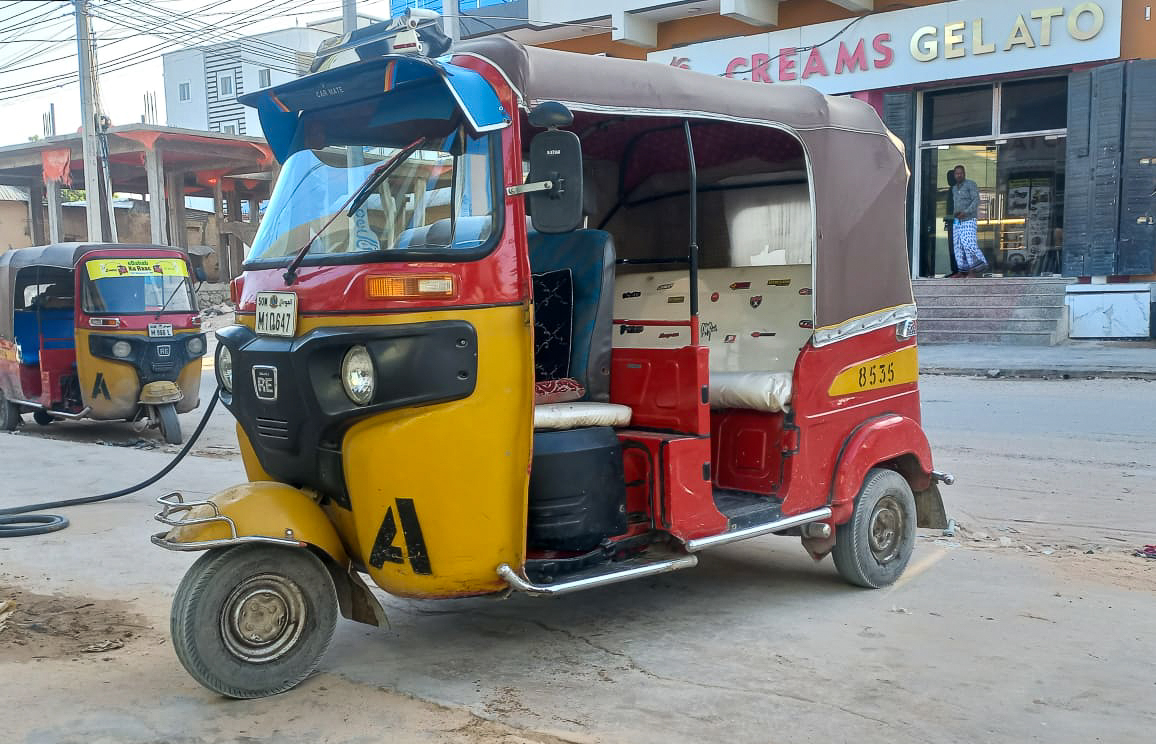
Somalia’s urban and rural landscapes are intricately woven with the familiar hum of motorcycles and the tireless workhorses of three-wheelers. These vehicles, with an estimated 50,000 active three-wheelers in Mogadishu alone, consuming around 1.87 million liters of fuel per day, are more than just modes of transport; they represent economic freedom, accessibility, and the pulse of daily life. However, their reliance on fossil fuels contributes significantly to air pollution and environmental degradation, posing a challenge for a nation striving for sustainable development.
Mogadishu, like many African cities, is teeming with motorcycles, weaving through bustling streets and navigating dusty rural roads. These versatile and affordable vehicles are much more than mere transportation; they are the lifeblood of Somali society. From delivering essential goods and services to transporting families across vast distances, motorcycles have become a crucial tool for economic activity and social mobility.

As Mogadishu’s population continues to swell, surpassing 3 million inhabitants and projected to reach 5.5 million by 2050, the importance of efficient and accessible transportation will only grow. Motorcycles offer a unique solution, providing a nimble and cost-effective way to navigate the city’s ever-expanding landscape and connect people to opportunities, ensuring Mogadishu’s continued growth and prosperity.
But on the horizon, a revolution is brewing – the rise of electric mobility (e-mobility). Electric motorcycles and three-wheelers offer a cleaner, more efficient, and potentially more affordable alternative to their fossil fuel counterparts, promising a transformative impact on Somalia’s transportation system.
The Benefits of E-Mobility
- Reduced Environmental Impact: Electric vehicles produce zero tailpipe emissions, significantly reducing air pollution and greenhouse gas emissions. This translates to cleaner air, improved public health, and a healthier planet.
- Lower Operating Costs: Electric vehicles have lower fuel and maintenance costs compared to their fossil fuel counterparts. This translates to significant savings for drivers and operators, boosting their economic well-being.
- Improved Energy Security: Electric vehicles reduce reliance on imported fossil fuels, enhancing energy security and independence. Somalia’s abundant renewable energy resources, such as solar and wind, can be harnessed to power e-mobility, further promoting sustainability.
- Enhanced Last-Mile Connectivity: Electric motorcycles and three-wheelers are nimble and maneuverable, navigating narrow streets and alleys with ease. This improves last-mile connectivity, especially in urban areas where traditional transportation options struggle.
- Economic Growth and Job Creation: The e-mobility sector creates new job opportunities in various areas, including vehicle assembly and maintenance, battery manufacturing, and charging infrastructure development. This drives economic growth and contributes to a diverse and thriving economy.
From limited telephones to mobile phones, Somalia leaped the communication revolution. Now, with e-mobility, Somalia has the opportunity to leapfrog fossil fuels and power into a clean future…
ABBAS GASSEM
Braving the Road Less Traveled
While the benefits of e-mobility are clear, some challenges need to be addressed for a successful migration:
- High Upfront Costs: The initial cost of electric vehicles is higher than their fossil fuel counterparts. Government & international organization subsidies, microfinance programs, and innovative financing models can make them more accessible to low-income drivers and operators.
- Limited Charging Infrastructure: The lack of charging stations across the country hinders widespread adoption. Targeted infrastructure development, public-private partnerships, and leveraging existing infrastructure like solar panels can accelerate the development of a robust charging network.
- Battery Availability and Management: Access to affordable and durable batteries is crucial. Collaboration with battery manufacturers, exploration of battery swapping technologies, and efficient battery recycling programs are essential.
- Public Awareness and Education: Raising public awareness about the benefits of e-mobility and addressing concerns regarding charging and safety is crucial for widespread adoption. Public education campaigns and community engagement initiatives can play a key role.
A well-defined three-year plan facilitates efficient allocation of resources, ensuring funds are directed towards critical areas like infrastructure development, technology acquisition, and public awareness campaigns.
A gradual rollout also builds public awareness and trust in e-mobility solutions. This creates a positive environment for long-term adoption and investment.
Year 1: Laying the Foundation
- Feasibility Studies and Roadmap: Conduct comprehensive studies to assess the e-mobility potential in Somalia, considering factors like infrastructure, market demand, and economic feasibility. Develop a roadmap that outlines key targets, timelines, and resources needed for successful implementation.
- Regulatory Frameworks and Policies: Establish legal frameworks and policies that incentivize e-mobility adoption. This could include tax breaks for electric vehicle purchases, subsidies for charging infrastructure development, and regulations promoting renewable energy integration.
- Government Funding and Partnerships: Secure government funding to support initial e-mobility investments. Partner with international organizations, development agencies, and private sector stakeholders to leverage additional resources and expertise.
- Pilot Projects: Initiate pilot projects in major cities like Mogadishu to test e-mobility solutions in real-world settings. This will help identify challenges, gather data, and refine strategies before a wider rollout.
- Manufacturing Partnerships: Collaborate with manufacturers to assemble electric motorcycles and three-wheelers in Somalia. This will create jobs, boost the local economy, and reduce reliance on imported vehicles.
Year 2: Scaling Up and Infrastructure Development
- Expanding Pilot Projects: Based on the success of initial pilots, expand e-mobility initiatives to other cities and towns across Somalia. This will ensure broader geographic coverage and accelerate nationwide adoption.
- Public Awareness and Education: Implement comprehensive public awareness campaigns to educate the population about the benefits of e-mobility, address concerns, and promote responsible use. Engage with communities through workshops, information sessions, and media campaigns.
- Nationwide Charging Network: Develop a robust network of charging stations strategically located in urban centers, rural areas, and along major transportation routes. This will address range anxiety and encourage wider e-vehicle adoption.
- Battery Manufacturing and Recycling: Invest in local battery manufacturing facilities to ensure accessibility and affordability. Implement efficient battery recycling programs to minimize environmental impact and promote circularity.
- Technician Training Programs: Offer training programs to equip technicians and mechanics with the skills needed to service and maintain electric vehicles. This will ensure a skilled workforce is available to support e-mobility growth.
Year 3: Consolidating and Expanding
- Data Analysis and Adaptation: Analyze data collected during pilot projects and ongoing operations to identify areas for improvement and adapt strategies accordingly. This ensures continuous learning and optimization of the e-mobility program.
- Financial Incentives: Introduce additional financial incentives, such as tax breaks and subsidies, to accelerate e-vehicle purchases and make them more accessible to all income levels.
- Integration with Existing Systems: Integrate e-mobility solutions seamlessly into existing transportation systems and urban planning strategies. This will improve overall transportation efficiency and promote sustainable development.
- National Battery Management System: Establish a national battery management system to oversee battery collection, recycling, and disposal processes. This will ensure environmental sustainability and minimize harmful waste.
- Private Sector Engagement: Encourage and attract private sector investment and participation in e-mobility projects. This will diversify funding sources, accelerate technological advancements, and promote competition within the market.

Beyond Three Years
- Continued Innovation: Research and development efforts should continue to explore new technologies and solutions to further enhance e-mobility in Somalia.
- Regional Collaboration: Foster regional collaboration and knowledge sharing with other African nations to learn from best practices and accelerate collective progress towards sustainable transportation.
- Evolving Regulatory Landscape: Regularly review and update e-mobility regulations to stay abreast of technological advancements and evolving market needs.
By implementing this comprehensive and adaptable three-year plan, Somalia has the potential to become a leader in e-mobility within the region. This will not only benefit the environment and contribute to sustainable development but also create economic opportunities, improve public health, and enhance the quality of life for all citizens.
Conclusion: A Shared Journey towards a Brighter Future
E-mobility is not just a technological shift; it’s a societal transformation with the potential to revolutionize transportation in Somalia. Embracing this transformation requires more than just technological advancements; it demands a collective effort from the Somali government, the international community, and local entrepreneurs.
The Somali government has a crucial role to play in creating an enabling environment for e-mobility. This includes developing supportive policies and regulations, investing in charging infrastructure, and providing financial incentives for e-vehicle adoption. By creating a stable and supportive environment, the government can attract private sector investment and encourage local entrepreneurs to participate in the e-mobility ecosystem.
The international community can support Somalia’s e-mobility journey by providing technical assistance, sharing best practices from other countries, and facilitating access to international funding. Partnerships with international organizations can also be instrumental in developing training programs for technicians and mechanics, ensuring the availability of a skilled workforce to support e-vehicle maintenance and repair.
Local entrepreneurs are the backbone of any successful e-mobility transition. They are the ones who will bring innovative solutions to the market, create new jobs, and drive economic growth. By providing them with access to financing, technology, and training, the government and international community can empower local entrepreneurs to become key drivers of the e-mobility revolution in Somalia.
This transformation will not be without its challenges. Overcoming the high upfront costs of e-vehicles, addressing concerns about charging infrastructure availability, and ensuring equitable access for all communities require a concerted effort from all stakeholders.
However, the potential rewards are immense. By embracing e-mobility, Somalia can achieve a triple win:
- Economic benefits: Creating new jobs, boosting local manufacturing, and reducing reliance on imported fossil fuels.
- Environmental benefits: Reducing air pollution, improving public health, and mitigating climate change.
- Social benefits: Enhancing accessibility, empowering communities, and promoting social inclusion.
This is not just a journey toward cleaner transportation; it’s a journey toward a brighter future for all Somalis. By working collaboratively, the government, international community, and local entrepreneurs can overcome the challenges, seize the opportunities, and shift gears towards a more sustainable, prosperous, and equitable Somalia. This journey will not only improve the lives of its citizens but also serve as a beacon of hope and inspiration for other nations striving for a cleaner and brighter future.
Photo of electric motorcycle in Mogadishu – Attribution to wepik.com