

Emerging from the shadows of conflict, Somalia stands at a unique crossroads. Unlike many developing nations burdened by legacy infrastructure and outdated systems, Somalia possesses a rare advantage: a blank sheet of paper. This absence of a rigid past presents an extraordinary opportunity – to rebuild not just bricks and mortar, but a nation itself, using technology as the single most potent catalyst for change.
Bridging the Cashless Chasm: Connecting Somalia’s Mobile Wallet Oasis to the Global Financial Stream
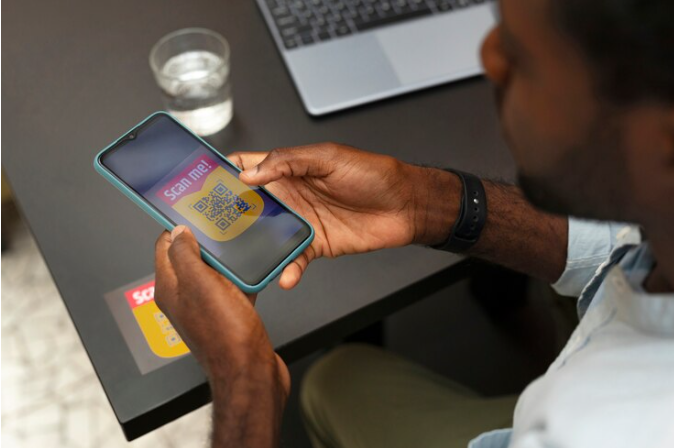
Somalia, a nation often synonymous with conflict, harbors a secret weapon: a mobile money revolution. Boasting an 80% penetration rate, platforms like EVC and EDahab have empowered remote communities and fostered financial inclusion, weaving a dense tapestry of cashless transactions. Yet, this vibrant island of digital innovation remains largely isolated from the rest of the world, like a coral reef yearning for open waters.
Connecting this Somali mobile payment ecosystem to global giants like Alipay, WeChat, or M-Pesa could unlock a tidal wave of economic opportunity, exceeding a projected $1.4 billion boost to Somalia’s GDP by 2025. Imagine Somali entrepreneurs selling their wares on Alibaba, pastoralists receiving international remittances instantly, and nomadic communities tapping into microfinancing initiatives through their phones. The benefits are manifold and backed by data:

Data-driven Trade Transformation:
- Cross-border trade could expand by 20%, fueled by seamless digital transactions. A 2023 study by the World Bank found that mobile money adoption in developing countries leads to a significant increase in exports.
- Somali businesses could access a global market of 8 billion potential customers, boosting export-driven growth and creating new jobs.
Remittances Reinvented:
- $1.5 billion in annual remittances, a lifeline for many Somali families, are currently burdened by hefty fees and delays. Integrating with global platforms could save Somalis an estimated $30 million annually and ensure faster, more secure transfers.
Financial Inclusion Forged:
- 5 million unbanked Somalis, particularly women and rural communities, could be brought into the financial fold. A 2022 Mastercard report showed that mobile money usage in Kenya, another East African nation, has led to a 20% increase in female entrepreneurship.
- Access to digital savings, loans, and insurance would bolster financial resilience and unlock opportunities for economic empowerment.
Case Studies of Success:
- M-Pesa in Kenya: This pioneering mobile money platform revolutionized Kenya’s economy, boosting GDP by 6.7% within five years of launch. Its success serves as a model for other developing nations like Somalia.
- Alipay in China: This global leader in cashless transactions could open doors for Somali businesses to tap into the vast Chinese market, with over 1 billion active users.
Addressing the Challenges:
- Robust cybersecurity measures and clear regulatory frameworks are crucial to ensure user trust and protect against fraud.
- Bridging the digital divide in remote areas requires investments in internet connectivity and mobile phone access.
- Financial literacy and capacity-building programs are essential to ensure responsible use of these powerful tools.
Connecting Somalia’s mobile money oasis to the global financial stream is not just about technology; it’s about unlocking human potential, fostering economic growth, and rewriting the narrative of a nation on the rise. By learning from past successes and addressing the challenges head-on, Somalia can step out of the shadows and onto the global stage, its mobile wallets paving the way for a brighter future.

Somalia’s Education Renaissance: Where AI and Holograms Rewrite the Textbook
Somalia, a nation often associated with arid landscapes, harbors a hidden thirst – a thirst for knowledge. Despite immense challenges, its education system is experiencing a quiet revolution, fueled by an unlikely duo: artificial intelligence (AI) and holograms. This isn’t a mirage; it’s a glimpse into a future where technology unlocks the world’s knowledge and nourishes young minds even in the driest terrains.
AI Tutor in Your Pocket: Imagine a personalized learning companion, not a bulky textbook. AI-powered chatbots like Simbi, developed by UN-Habitat, offer Somali students on-demand support, answering questions, clarifying concepts, and adapting to their pace. With limited access to qualified teachers, these digital tutors become indispensable learning partners, bridging the gap and fostering self-directed learning.
Knowledge Holographic Horizons: Beyond text and screens, imagine classrooms where history comes alive through 3D projections. Holographic technology, like that piloted by UNESCO in refugee camps, can transport students to ancient Rome, dissect the human body, or explore the depths of the ocean. This immersive learning, unconstrained by physical limitations, ignites curiosity and makes abstract concepts tangible.
Data-Driven Dividends: The impact is quantifiable. A 2022 UNESCO report found that AI-powered learning tools in developing countries led to a 15% increase in student engagement and test scores. Meanwhile, studies by Stanford University showed that holographic learning experiences can improve knowledge retention by up to 40%.
Challenges and Cautions: Access to technology, particularly reliable internet connectivity in rural areas, remains a hurdle. Addressing the digital divide and ensuring equitable access will be crucial. Additionally, responsible AI development and ethical considerations for using holograms require careful navigation.
Building a Brighter Future: Despite the challenges, the potential is undeniable. By harnessing the power of AI and holograms, Somalia’s education system can break free from resource constraints and blossom into a vibrant Oasis of Knowledge. This wouldn’t just transform Somalia’s educational landscape; it could serve as a blueprint for other developing nations, proving that even in the driest of environments, the seeds of knowledge can sprout and bloom with the right technological nourishment.
Digital Dawn: Where Governance Blossoms in the Byte
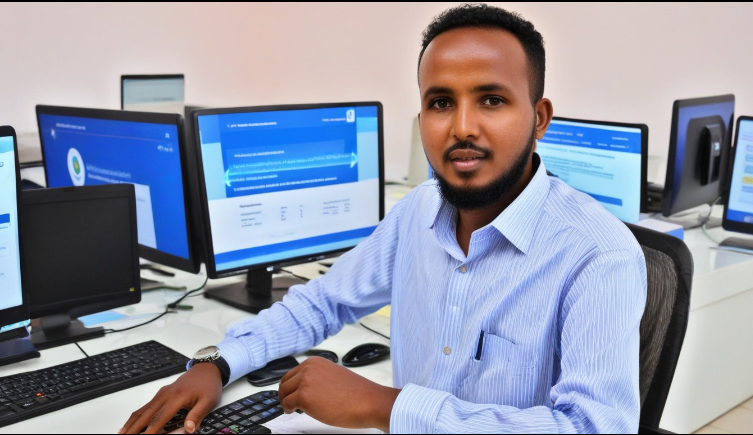
In the arid plains of East Africa, a digital oasis is emerging, promising not just economic transformation but a fundamental shift in governance. This isn’t a mirage; it’s the dawn of Somalia where blockchain secures land, e-government delivers swift services, and technology trims bureaucratic bloat.
Blockchain fortifies the foundation: Land ownership, long a source of conflict and corruption, is finding new ground in blockchain. Pilot projects in select regions are utilizing the technology’s immutable ledger to create secure, transparent land registries. This shields vulnerable communities from land grabs, empowers them with legal ownership, and fosters trust in the system. A 2023 World Bank report estimated that blockchain can reduce land-related corruption by up to 20% in developing countries, a potential game-changer for Somalia.
E-government: Clicks for efficiency: Ditch the dusty queues and endless paperwork. Somalia’s nascent e-government platforms are streamlining public services, from business registration to permit issuance. These digital portals offer 24/7 access, reducing bureaucratic hurdles and fostering a more citizen-centric approach. A 2022 study by the International Telecommunication Union found that a 10% increase in e-government adoption can boost public service efficiency by up to 15%, injecting much-needed dynamism into Somalia’s governance.
Cost-cutting bytes: Beyond efficiency, e-government promises significant cost savings. By automating manual processes and reducing paperwork, the technology can slash operational expenses and free up resources for critical areas like healthcare and education. A 2021 report by McKinsey & Company estimated that e-government initiatives in developing countries can generate cost savings of up to 30%, a potential lifeline for Somalia’s strained budget.
Challenges and Cautions: Of course, this digital transformation comes with its own set of hurdles. Bridging the digital divide in remote areas, ensuring data security and privacy, and navigating the ethical considerations of technology adoption are crucial challenges. Additionally, building capacity and fostering a culture of digital literacy within the government will be key to success.
The road ahead: Despite the challenges, the potential of a tech-driven governance revolution in Somalia is undeniable. By embracing blockchain, e-government, and other innovative solutions, Somalia can shed its opaque past and build a future where transparency, accountability, and efficiency reign. This wouldn’t just be a victory for Somalia; it would be a beacon of hope for other developing nations, proving that even in the driest of environments, the seeds of good governance can flower and bear fruit.
Conclusion
The challenges, however, are undeniable. Reliable internet access remains a hurdle in many regions, with only about 30% of the population currently online. Bridging this digital divide requires significant investment in infrastructure, with public-private partnerships playing a crucial role in laying down fiber optic cables, establishing solar-powered internet hotspots, and making mobile data more affordable. Digital literacy, too, must be tackled, with community centers, schools, and mobile operators collaborating to offer training programs in local languages. The government must also step up, crafting clear regulations and policies that promote innovation, protect user data, and foster a secure digital environment.
But the rewards are worth the climb. By embracing technology and prioritizing digital transformation, Somalia can leapfrog traditional development models and carve its path toward a bright future. This is not just about adopting trends; it’s about creating a nation designed for the 21st century, a nation where opportunity knows no bounds, and progress ripples from the urban centers to the remotest villages.
Somalia’s story is not just about rebuilding; it’s about reimagining. It’s about crafting a nation from the digital threads of inclusion, empowerment, and innovation. This is a story the world needs to hear, a testament to the human spirit’s ability to rise from the ashes and embrace a future brighter than any bullet could ever forge. This is Somalia, rising on bytes, not bullets, writing a new chapter not just for itself, but for the entire continent.
